Most Indian homes smell clean. But that sharp, astringent smell from the floor cleaner, the caustic fumes from the toilet bowl cleaner, and the bleach that lingers after bathroom day? Those are not signs of cleanliness. They are signs of chemical exposure.
This guide covers everything you need to make the switch to chemical-free cleaning in your Indian home: which ingredients to stop using and why, a room-by-room guide built around Indian cleaning challenges like haldi stains and hard water, exact DIY recipes, the best Indian brands available right now, and a realistic transition plan that will not blow your budget. Whether you are motivated by health concerns, environmental impact, or simply want to stop the chemical smell in your home, this article gives you the exact roadmap.
Contents
- Why chemical cleaners are a bigger problem than most people realise
- The hidden health impact of conventional cleaning products
- Ingredients to avoid and what to look for on labels
- Your Indian kitchen pantry: the natural cleaning starter kit
- Room-by-room chemical-free cleaning guide
- DIY recipes that actually work
- Bio-enzyme cleaners: what they are and when to use them
- The best natural cleaning brands in India right now
- How to transition without wasting what you already have
- Myth-busting: does natural cleaning actually work?
Why Chemical Cleaners Are a Bigger Problem Than Most People Realise
Indoor air in Indian homes contains VOC (volatile organic compound) concentrations at least 10 times higher than outdoor air, and cleaning products are a major source. A 2026 study published in Nature confirmed that VOCs from household cleaning products contribute measurably to respiratory health risks across all demographics.
For Indian homes specifically, the problem runs deeper. Most commonly used products, from phenyl floor cleaners to HCl-based toilet cleaners, release formaldehyde, chloroform, and ammonia when used in enclosed or poorly ventilated spaces. These are not accidental byproducts; they are chemical reactions that happen the moment the cleaner is exposed to water and air.
India’s indoor air pollution burden already accounts for 91.5 million disability-adjusted life years (DALYs) annually, and domestic cleaning chemicals contribute to this figure in ways most families are not aware of. The risks are higher in compact urban apartments (2BHK and 3BHK formats with limited cross-ventilation), households with children, elders, and people with asthma, and in homes where a domestic worker cleans for several hours with concentrated chemicals daily.
Consider this: a single use of a phenyl-based floor cleaner in a 2BHK apartment creates an indoor VOC concentration spike that takes 3 to 4 hours to normalise, even with windows open. If you clean every other day, you are never allowing that concentration to return to baseline.
Quick Fact
VOC concentrations in indoor environments are at least 10 times higher than outdoors, regardless of where the building is located. Cleaning products, along with cooking and building materials, are among the top three contributors. A single floor cleaning session can elevate VOCs by up to 40% for several hours.
The Hidden Health Impact of Conventional Cleaning Products
The chemicals in standard Indian cleaning products do not just create bad air quality. They accumulate in your body and the environment over time.
Phenol (phenyl): The signature smell of Indian floor cleaners. A known endocrine disruptor that absorbs through the skin with repeated contact. For domestic workers who handle phenyl solutions for 2 to 3 hours daily without gloves, the cumulative exposure is significant. Studies have linked chronic phenol exposure to hormonal imbalances, particularly in women and children. Phenol takes 48 hours to be fully eliminated from the body, which means daily exposure compounds.
Hydrochloric acid (HCl): Found in most Indian toilet cleaners, sold as “powerful” acid cleaners. When inhaled in enclosed bathrooms, a space typically 6×8 feet with a single window and exhaust fan, HCl vapours cause direct respiratory tract damage. Repeated exposure sensitises the respiratory system, increasing susceptibility to asthma and chronic bronchitis.
Chlorine bleach: Releases chloroform and carbon tetrachloride when used in warm water. Both are classified as probable carcinogens by the International Agency for Research on Cancer. Most Indian households use bleach in warm water, especially during monsoon, which dramatically increases the formation of these toxic gases.
Synthetic fragrance: Listed simply as “fragrance” on most Indian labels. The term can legally conceal dozens of undisclosed compounds, including phthalates, which are known endocrine disruptors. Babies and young children in homes with high synthetic fragrance use show higher rates of asthma and allergies.
Ingredients to Avoid and What to Look for on Labels
Flipping a bottle of standard Indian floor cleaner or toilet cleaner reveals a short, cryptic ingredient list. Here is what to look for and why each ingredient is a problem.
- Hydrochloric acid (HCl): Extremely corrosive. When inhaled in enclosed bathrooms, it causes respiratory tract damage. Labels often warn “do not breathe vapours,” which most users ignore.
- Phenol/phenyl: An endocrine disruptor that absorbs through the skin with repeated contact. Banned in many developed countries for household use, but still widely available in India.
- Sodium Lauryl Sulfate (SLS) and SLES: Found in most dishwashing liquids and surface cleaners. Causes skin inflammation with regular exposure and breaks down the skin barrier over time.
- Ammonia: Common in glass cleaners and multi-surface sprays. Triggers asthma and throat irritation. Reacts dangerously with bleach to form toxic chloramine gas.
- Synthetic fragrance: Can contain dozens of undisclosed phthalates that disrupt hormones. The fragrance industry is largely unregulated.
- Triclosan: An antibacterial agent found in some hand washes and surface cleaners. Linked to antibiotic resistance and hormone disruption.
- Chlorine bleach: Releases chloroform and carbon tetrachloride when used in warm water, both classified as probable carcinogens.
When buying any cleaning product, look for labels that state plant-based surfactants, no synthetic fragrance, no SLS/SLES, biodegradable, and septic-safe. USDA Biobased certification or AYUSH certification offers additional assurance that the product has been third-party tested.
Your Indian Kitchen Pantry: The Natural Cleaning Starter Kit
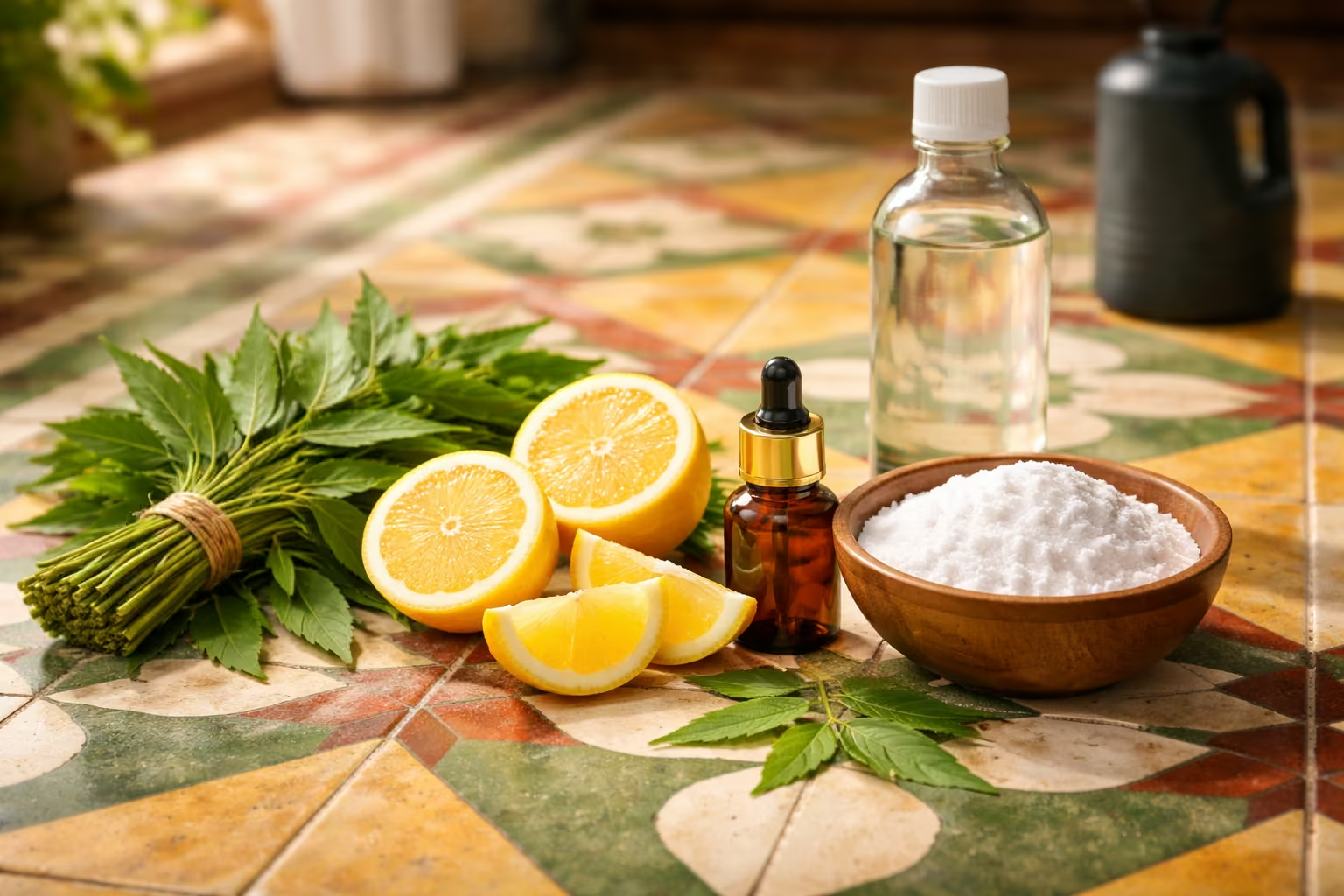
You do not need to buy anything special to start cleaning without chemicals. These five ingredients handle the majority of household cleaning tasks and are available at any kirana store or supermarket. The total cost to stock a basic pantry is under Rs 500.
- White vinegar (safed sirka): Acidic nature cuts through hard water deposits, soap scum, and mineral stains. Works on glass, tiles, and taps without scratching. Safe for all stone surfaces when diluted. The smell dissipates completely once dry.
- Baking soda (meetha soda): Mildly abrasive and naturally deodorising. Scrubs surfaces without scratching. Neutralises odours in drains, bins, and carpets.
- Lemon (nimbu): Naturally acidic and antibacterial due to citric acid content. Removes haldi and masala stains from steel and stone surfaces. One lemon replaces a Rs 150 bottle of stain remover for 3 to 4 cleaning sessions.
- Coconut coir scrubber: Replaces synthetic sponges that shed microplastics. Naturally antibacterial, compostable, and effective on vessel grime. Lasts 4 to 6 months with regular use.
- Castile soap or reetha (soapnut liquid): A plant-based surfactant base for floor cleaning, laundry, and all-purpose sprays. One 500ml bottle of reetha concentrate makes 20 litres of floor cleaner when diluted 1:10.
Tip
Buy white vinegar in 500ml or 1-litre bottles from supermarkets or Amazon India (Rs 60 to Rs 100). Dilute 1:1 with water for most uses. The vinegar smell disappears completely once dry. Store in a cool, dark place for up to one year.
Room-by-Room Chemical Free Cleaning Guide
Kitchen
The kitchen presents the toughest cleaning challenge in an Indian home: heavy cooking oil, haldi and masala stains, strong odours, and grease that builds up fast on stovetops and walls. This is also the room where chemical exposure is highest, because most Indian kitchens have minimal ventilation relative to cooking intensity.
For everyday counter wipes, use a spray bottle with equal parts water and white vinegar. Add 10 drops of lemongrass or tea tree oil to boost antibacterial action without synthetic fragrance. This single spray handles countertops, appliances, cutting boards, and the sink. It is safe for food-contact surfaces when used properly: spray, wipe, rinse.
For haldi and masala stains on steel, apply lemon juice directly to the stain, wait two minutes, then scrub with baking soda using a coir scrubber. For stubborn stains on stainless steel appliances or pots, make a paste of baking soda and a few drops of vinegar, apply, wait 10 minutes, then scrub.
For grease on stovetops and tiles, a paste of baking soda and a few drops of castile soap applied with a coir scrubber cuts through cooking oil effectively. The soap acts as an emulsifier, allowing the baking soda to penetrate grease layers. Leave the paste on for 5 to 10 minutes before scrubbing.
For strong cooking odours (fish, meat, spices), boil a pot of water with lemon slices and a tablespoon of baking soda for 10 minutes. The steam neutralises airborne odour molecules and circulates throughout the kitchen.
Bathroom
Indian bathrooms deal with hard water stains, soap scum, rust deposits, and moisture-related mould in monsoon regions. Most conventional solutions use HCl, which is effective but highly corrosive in a small, enclosed space.
Replace HCl toilet cleaners with a mix of baking soda and citric acid powder (available online or at baking supply stores, Rs 80 to Rs 100 for 100g). Sprinkle directly into the toilet bowl, wait 10 minutes as it fizzes, then scrub. The fizzing action lifts stains from the bowl surface without corrosive vapours.
For hard water deposits on taps and showerheads, soak a cloth in undiluted white vinegar and wrap it around the fitting for 20 to 30 minutes. The mineral deposits dissolve without any scrubbing. For a showerhead, unscrew it and soak overnight in a bowl of vinegar for maximum effectiveness.
For bathroom tile grout, make a paste of baking soda and a few drops of water, apply into the grout lines, wait 15 minutes, then scrub with an old toothbrush. This removes mould and soap buildup without bleach. If mould returns quickly during monsoon months, switch to a bio-enzyme bathroom cleaner for long-term control.
Floors
Indian homes use vitrified tiles, marble, granite, and sometimes wood. Most phenyl-based floor cleaners are too harsh for all three and create unnecessary chemical exposure in the most trafficked areas of the home.
For vitrified tiles and stone floors, use hot water with a splash of white vinegar (2 tablespoons per litre) or a diluted reetha liquid (1:10 dilution). Both are safe for Indian marble and granite when used in dilution.
For wooden floors, skip vinegar entirely as acid weakens wood finish over time. Use a few drops of castile soap in warm water instead. Dry immediately with a cloth to prevent water damage.
For stubborn floor marks, sprinkle baking soda on the mark, add a small amount of water to create a paste, let it sit for 5 minutes, then mop. The mild abrasive action removes marks without scratching the surface.
Laundry
Indian laundry loads carry cooking smells, sweat, and ground-in soil and dust. Natural laundry solutions work well at the 30 to 40°C wash temperatures that extend fabric life and reduce electricity consumption.
Add half a cup of baking soda to the drum along with your regular detergent to boost odour removal. It is particularly effective on towel odours and gym clothes. For a full switch, plant-based detergents from brands like Born Good or Herbal Strategi handle Indian laundry loads, including synthetic fabrics, cotton, and silk. These detergents do not produce the foam of traditional detergents, but foam is a visual cue, not a measure of cleaning power.
Line-drying in Indian sunlight is one of the most effective natural antibacterial steps you can take. UV radiation from the direct sun kills bacteria and whitens fabric without any bleach. Hang whites in direct sun for maximum whitening, and colours in dappled shade to prevent fading.
DIY recipes that actually work
These four recipes cover the most common Indian household cleaning needs. Measurements are per 500ml spray bottle unless stated. All ingredients are available at supermarkets or online.
All-purpose surface spray
- 250ml water
- 250ml white vinegar
- 15 drops tea tree oil (or lemongrass oil)
- 5 drops lemon essential oil
Use on counters, appliances, tiles, and glass. Do not use on natural stone or sealed wood. The oil prevents bacterial regrowth for 24 hours. Store away from direct sunlight.
Kitchen degreaser paste
- 3 tablespoons baking soda
- 1 tablespoon castile soap
- 5 drops orange essential oil
- Water as needed to reach paste consistency
Apply to stovetop or greasy tiles. Wait 5 minutes, scrub with coir, rinse. The castile soap emulsifies grease while baking soda lifts it.
Bathroom tile and grout scrub
- 2 tablespoons baking soda
- 1 tablespoon citric acid powder
- 5 drops eucalyptus oil
- Water as needed to reach paste consistency
Apply to tiles, grout, and toilet bowl. Let sit 10 minutes, scrub, rinse. Effective against hard water stains and soap scum.
Weekly drain cleaner
- Half cup baking soda
- One cup white vinegar
- Boiling water to flush
Pour baking soda down the drain, follow with vinegar, wait 30 minutes, flush with boiling water. Prevents grease and hair buildup. Use weekly as a preventative, not for existing clogs.
Important
Never mix vinegar and baking soda in a sealed bottle or container. The reaction neutralises both ingredients, making the mixture largely ineffective. Use them separately or in sequence, not combined as a pre-made cleaner. The fizzing action works only when both components meet at the moment of use.
Bio-Enzyme Cleaners: What They Are and When to Use Them
DIY cleaners handle physical dirt and stains well. But for organic matter like food waste residue in kitchen drains, urine odours in bathrooms, and pet accidents, a different chemistry works better: bio-enzyme cleaners.
Bio-enzyme cleaners contain live beneficial bacteria that produce enzymes: lipase for fats, protease for protein, and amylase for starch. These enzymes break down organic waste at a molecular level rather than just masking or disinfecting it. The practical result is that bio-enzyme floor cleaners remove odours at the source, kitchen drain treatments clear grease buildup without caustic chemicals, and bathroom cleaners prevent bacteria from returning quickly because the beneficial bacteria continue working after you clean.
Lab tests by Indian bio-enzyme brands have shown 99% effectiveness against common household bacteria. The trade-off is that bio-enzyme products work slower than chemical ones — they need 24 to 48 hours to fully break down organic matter — and are ineffective if you follow up with bleach or any antibacterial chemical, which kills the beneficial bacteria.
| Cleaning challenge | Use bio-enzyme | Use DIY (vinegar / baking soda) |
|---|---|---|
| Kitchen drain odour | ✓ Best choice | Weekly preventative drain flush only |
| Toilet bowl stains | ✓ Persistent odours | ✓ Citric acid paste for mineral stains |
| Hard water deposits on taps | ✗ Not effective | ✓ Vinegar soak is ideal |
| Haldi / masala stains | ✗ Not effective | ✓ Lemon + baking soda paste |
| Garbage bin odours | ✓ Best choice | Baking soda as short-term mask only |
| Monsoon mould on grout | ✓ Prevents regrowth | ✓ Baking soda for removal |
| Floor cleaning (general) | ✓ Premium option | ✓ Reetha / vinegar dilution works well |
The best natural cleaning brands in India right now
The Indian market for natural home cleaners has grown significantly over the last three years. These are the most accessible and reliable brands available in 2026, with current pricing ranges.
| Brand | Best for | Key point | Price range | Where to buy |
|---|---|---|---|---|
| Koparo Clean | All-round household use, floor cleaner, dishwash | Coconut-based, Shark Tank India-backed, concentrate options | Rs 133–599 | Amazon India, own website, Flipkart |
| Born Good | Dishwash, laundry, all-purpose | USDA Biobased certified, plant-derived, vegan | Rs 199–1,000 | Amazon India, Flipkart, own website |
| Herbal Strategi | Floor cleaner, pest-repellent formulas | AYUSH certified, Ayurvedic ingredients | Rs 116–500 | Amazon India, own website |
| Goli Soda | All-purpose, odour control | Probiotic-based, biodegradable | Rs 240–500 | Amazon India, select offline stores |
| EcoSattva | Bathroom and toilet, acid-free | 100% natural, acid-free, eco-certified | Rs 200–450 | Amazon India, own website |
| VK Varieties | Budget-conscious whole-home cleaning | Refillable powder formula, lowest cost per use | Rs 150–350 | Own website, select Amazon listings |
Tip
Concentrate formulas from Koparo (5L) and Herbal Strategi (1L) offer the best value per litre. A 5-litre Koparo concentrate diluted 1:10 makes approximately 50 litres of usable cleaner, bringing the cost down to Rs 5 to Rs 8 per litre — competitive with conventional phenyl cleaners.
How to transition without wasting what you already have
Switching all at once creates waste, feels expensive, and often leads to abandoning the effort. A room-at-a-time approach works better and costs less.
Month 1 — Bathroom (invest Rs 300–500)
Replace your toilet cleaner and surface spray first. These are the two products with the highest chemical concentration and the most enclosed usage environment. You will notice the difference immediately, with no more caustic fumes in a small, enclosed space.
Month 2 — Kitchen (invest Rs 400–600)
Replace the dishwash liquid and the surface spray. Make a DIY degreaser paste. This is where the biggest daily exposure happens for most families. If you have a domestic worker, this is also where the exposure matters most for her health.
Month 3 — Floor cleaner (invest Rs 300–800)
This is the highest-volume product in most Indian homes. Buy a concentrate to keep the per-litre cost competitive with conventional phenyl cleaners. A 5-litre concentrate makes approximately 50 litres of usable cleaner at Rs 5 to Rs 8 per litre.
Month 4 onwards — Sustain (Rs 600–900/month)
Add one bio-enzyme product for drains and bins. Replenish your DIY pantry (vinegar, baking soda, citric acid) every 60 to 90 days for under Rs 400. This becomes your stable, long-term setup. Total monthly cost for a fully natural 2BHK cleaning setup sits at Rs 600 to Rs 900.
Tip
If you have domestic help, brief them on the new products — especially that natural floor cleaners do not produce the strong smell they may associate with “clean.” The absence of a chemical odour is not a sign that the product is not working. Show them the results first, and they will adapt quickly.
Myth-busting: Does Natural Cleaning Actually Work?
Here are some common myth associated with chemical free cleaning.
Myth 1: “Natural cleaners do not kill bacteria like bleach does”
This is partially correct but misses the point. Bleach is a disinfectant. It kills 99.9% of bacteria on contact. But bacteria regrow quickly if organic residue remains. Natural enzymatic cleaners remove the organic residue (food particles, grease, soap scum) that bacteria feed on, making regrowth slower. The result is better long-term odour control and a cleaner environment, even if the short-term kill rate is lower. Studies show that properly used bio-enzyme cleaners achieve 99% bacteria reduction over 48 hours, comparable to bleach over the same period.
Myth 2: “Natural cleaners leave streaks on glass”
This happens only if you use too much product or wipe with the wrong material. Vinegar-based glass cleaners, when used in the right dilution (1:1 water to vinegar) and dried with newspaper or a microfiber cloth, produce streak-free glass. Most people use too much spray or try to wipe with paper towels, which leave lint behind.
Myth 3: “Natural cleaners do not work on hard water stains”
Vinegar is specifically designed by chemistry to dissolve hard water stains. Hard water deposits are mineral scale — calcium and magnesium carbonates. Acid dissolves carbonates. White vinegar (5% acetic acid) works faster than many chemical descalers because the reaction is direct. The only reason people think it does not work is that they do not leave it long enough. Twenty to thirty minutes of contact time is necessary for tough deposits.
Myth 4: “Switching to natural cleaners will increase my cleaning time”
Not if you use the right product for the right job. A baking soda paste on a stovetop takes 6 minutes total: 5 minutes wait, 1 minute scrub. A standard chemical degreaser takes 3 minutes of continuous scrubbing in chemical fumes with potential skin irritation. The total time is similar, and you end with less physical effort and zero chemical exposure.
Conclusion
Switching to chemical-free cleaning is not about perfection or buying every natural product at once. It starts with understanding what is in the bottles you already use, and making one better choice at a time. Your Indian home deserves a cleaning routine that does not fill it with formaldehyde and chloroform vapours.
Start in the bathroom, build a DIY pantry with white vinegar and baking soda, and add a bio-enzyme cleaner for the kitchen drain. By month three, most of the high-exposure chemical products are out of your home without any meaningful increase in cost or cleaning effort. Your family will breathe easier, and your domestic workers will thank you, even if they do not say so directly.